
Behind the race - An insight into the TCS Lidingöloppet with Felix Östlund
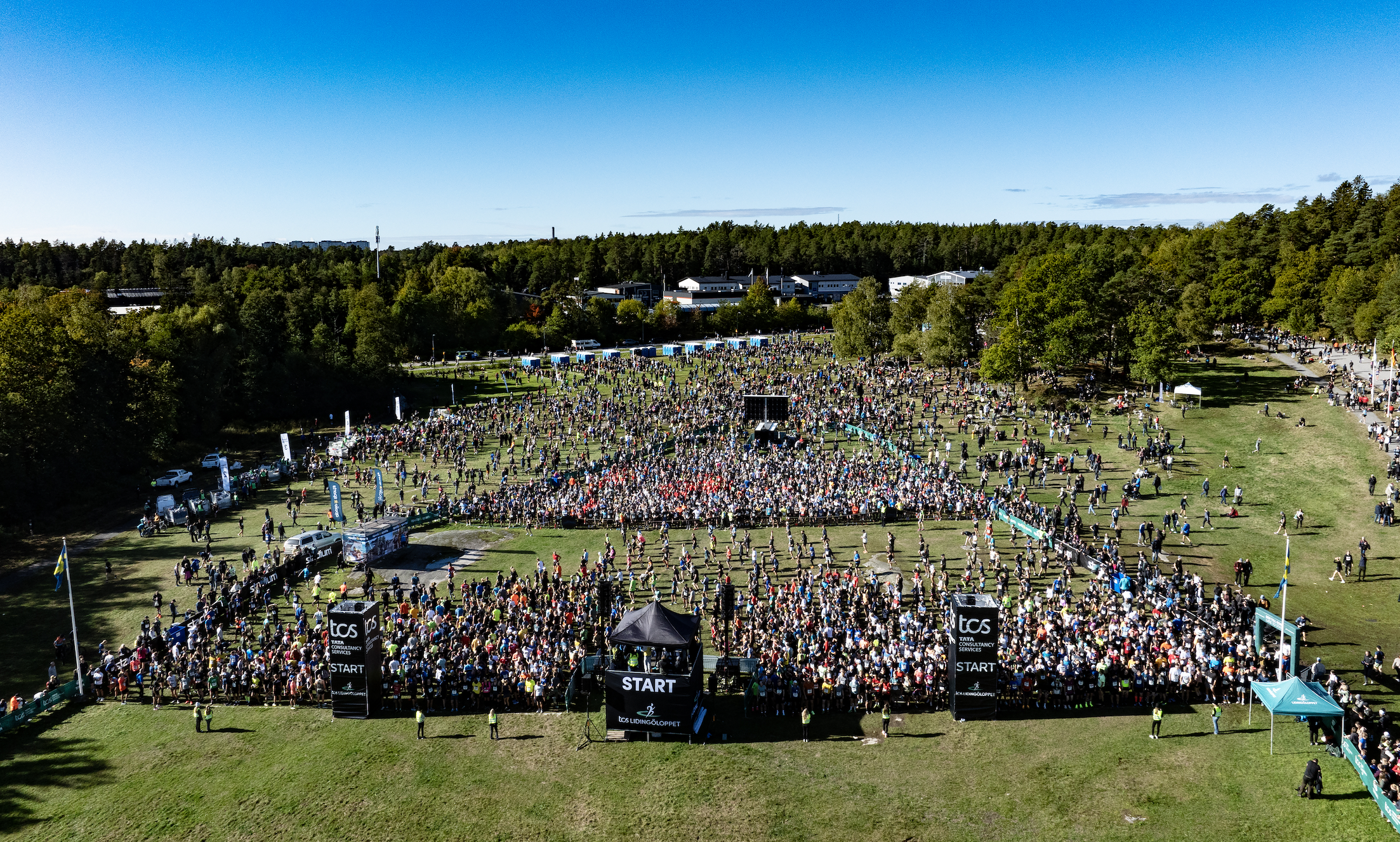
The TCS Lidingöloppet is the world’s largest cross-country event
In this interview series, Ahotu will be speaking with the people behind some of the most unique races across the globe. We’ll be discussing the history of the event, challenges and how to overcome them, attracting sponsors, reaching new runners and more!
Thanks for joining us Felix. For those who might not be familiar, can you introduce TCS Lidingöloppet and what makes it such a special event in the global running calendar?
TCS Lidingöloppet is the world’s largest cross-country race, founded back in 1965. Today it attracts runners from all over the world and of all fitness levels – it’s a cornerstone of Sweden’s endurance sports tradition. If you grow up in Sweden, this is the race that almost everyone knows about, and hopefully, dreams of doing at some point in their life. If you come from abroad, you likely do it because of the unique nature and the chance to participate in a cross-country race on a huge scale.
The race takes place on the island of Lidingö, just 10 minutes outside of the Swedish capital city, here you experience fresh air, forests, meadows and coastal paths. It is so beautiful! It’s a challenge for everyone – from 1.7 km for children to the classic 30 km. And it’s a tough challenge, a true test of strength. You must run it to understand what it’s all about.
All runners support non-profit sports associations through their entry, so this race provides huge support for promoting participation and an active lifestyle year round. All profits go back to children and youth sports. This is really what makes it a special event and something to be proud of.
How did you first get involved with TCS Lidingöloppet? What has your personal journey with the event looked like over the years?
I participated in TCS Lidingöloppet as a child, the Lilla Lidingöloppet 1.7 km was my first ever race, as it is for many Swedes! From there it took off and of course I ended up running the 30 km. It was a race I had dreamed about doing for a long time. Fast forward 15 years, I wanted to unite my passion with my education, and my passion was outdoor sports, so I’m very fortunate to have this job as marketing lead for this iconic race.
My role now is all about preserving the Lidingöloppet legacy while making sure we stay relevant. We still have runners who have competed in all races since 1965, what can we learn from them and teach new generations of runners about? Today running is trending among younger runners in Sweden and we are learning so much from this generation. This is something I’ve come to admire about TCS Lidingöloppet: its ability to create a race for everyone, whether it’s a first-timer or a lifelong runner.
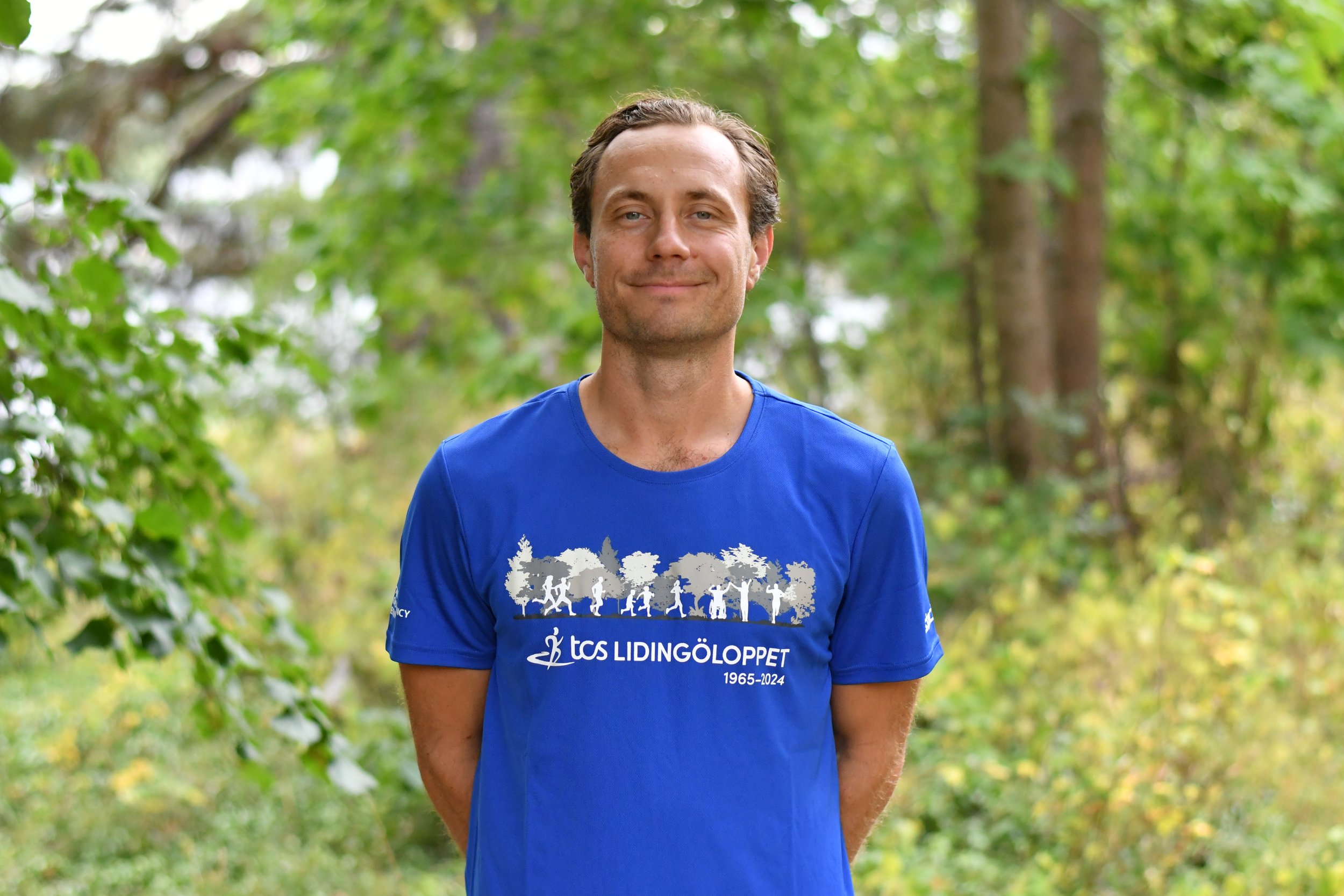
Felix’s journey spans participating as a child to marketing lead
The course is famously beautiful but also demanding - what can runners expect in terms of terrain, atmosphere, and challenge?
First of all, expect a true experience of nature! It’s a course that changes constantly, rolling hills, soft trails and deep forests. The terrain demands your attention and if you run only thinking about your pace, you miss it. But if you look up and flow with the course, you will have a great experience.
The first 10 km of the course is known as the “easy part”, before the hills start to present themselves, and when you reach 20 km the ghosts in your head really start to take over. This is the critical part of the course, where you must show your grit – what the swedes call “pannben”.
After 25 km you enter Abborrbacken, the notorious hill that most runners fear. It is known to be a real challenge. The best way to handle it is to take it easy! From there, the crowd will help you towards the finish line only 5 km away.
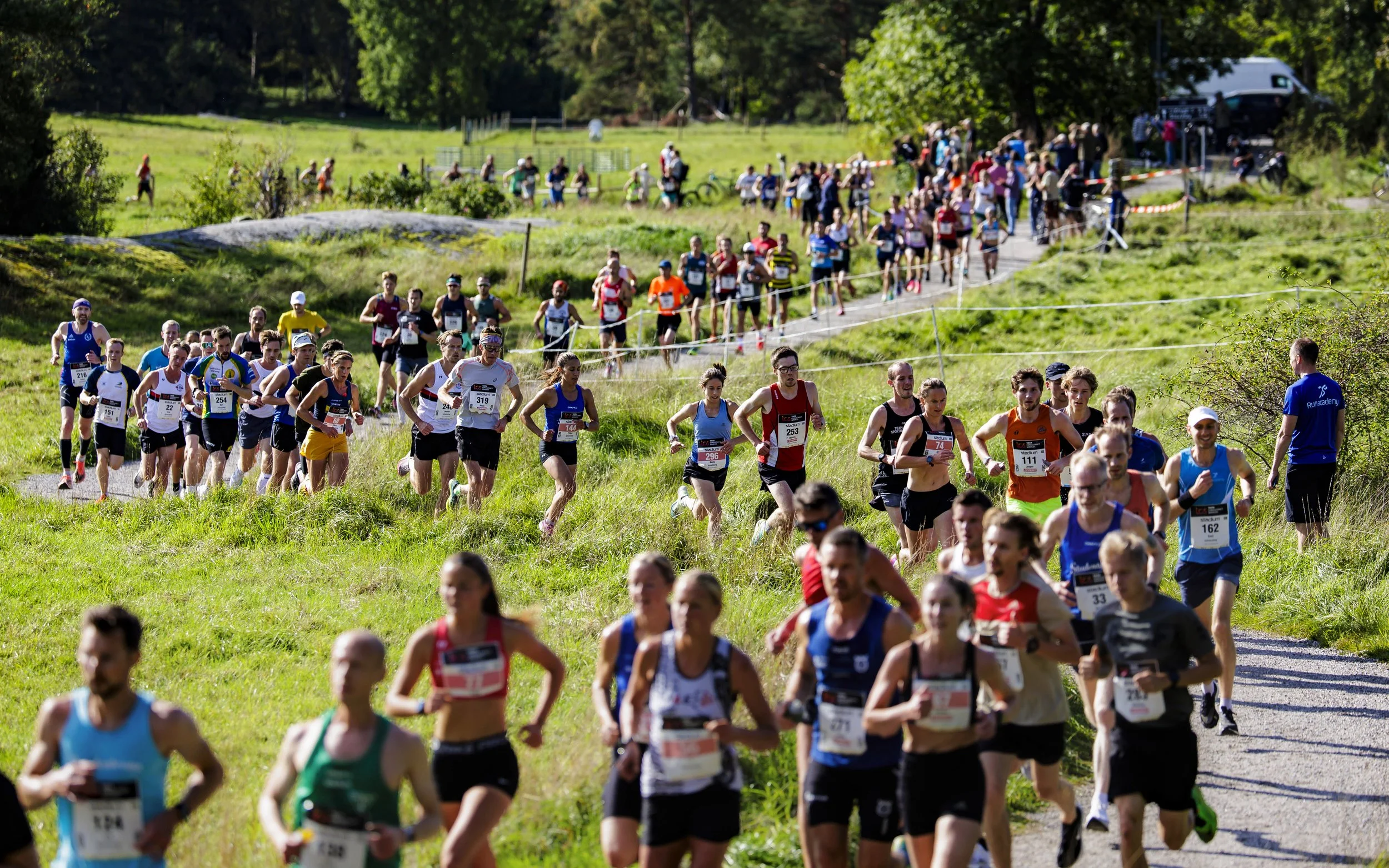
Every year 30,000 participants tackle the various races on offer
TCS Lidingöloppet is part of Sweden's rich endurance sports tradition - how would you describe its place within that landscape?
It’s fundamental. Just like Vasaloppet, Engelbrektsloppet, Vätternrundan and Vansbrosimningen – all part of the Swedish Classic (a series of challenges thousands of Swedes tackle each year covering Cross-country Skiing, Cycling and open water swimming), it taps into something very Swedish: a love for effort, nature and pushing limits. These events aren’t just races, they’re cultural institutions. They define what it means to be part of a movement and tradition.
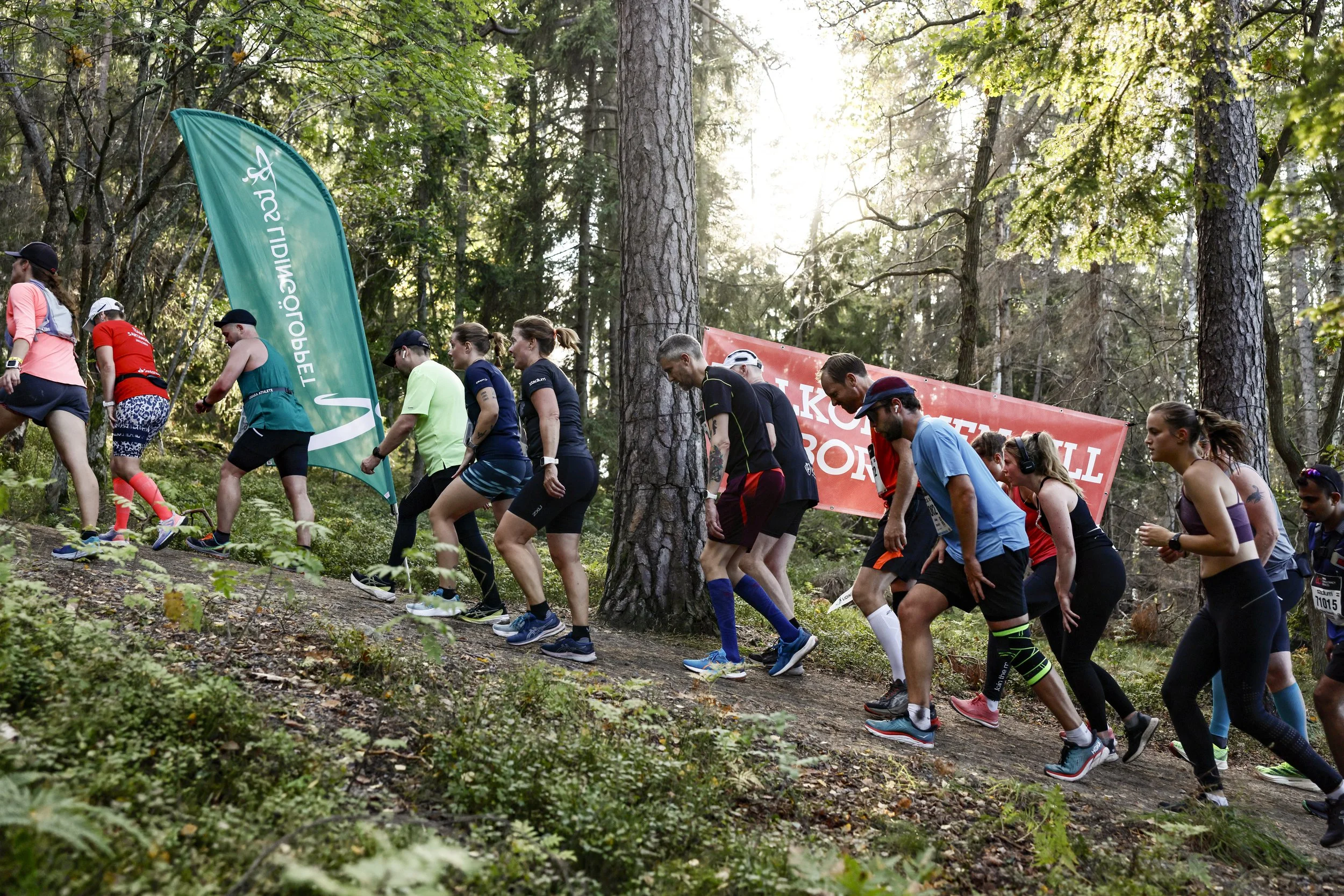
Participants tackle hills on this challenging but rewarding course
From an organisers perspective, what are some of the logistical complexities of delivering an event of this scale across such a unique course and multiple distances etc?
Any event with tens of thousands of people requires orchestration like a symphony. From managing multiple races during the weekend, to ensuring sustainability in all parts. But at the same time, it can’t feel mechanical - it has to be human.
Lidingöloppet works with 2,500 volunteers, who are the soul of the race - all showing great dedication and pride. From early mornings in the forest to late hours at the finish line. They really create the atmosphere that makes Lidingöloppet what it is. We appreciate the work they do and their invaluable contribution to this prestigious event.
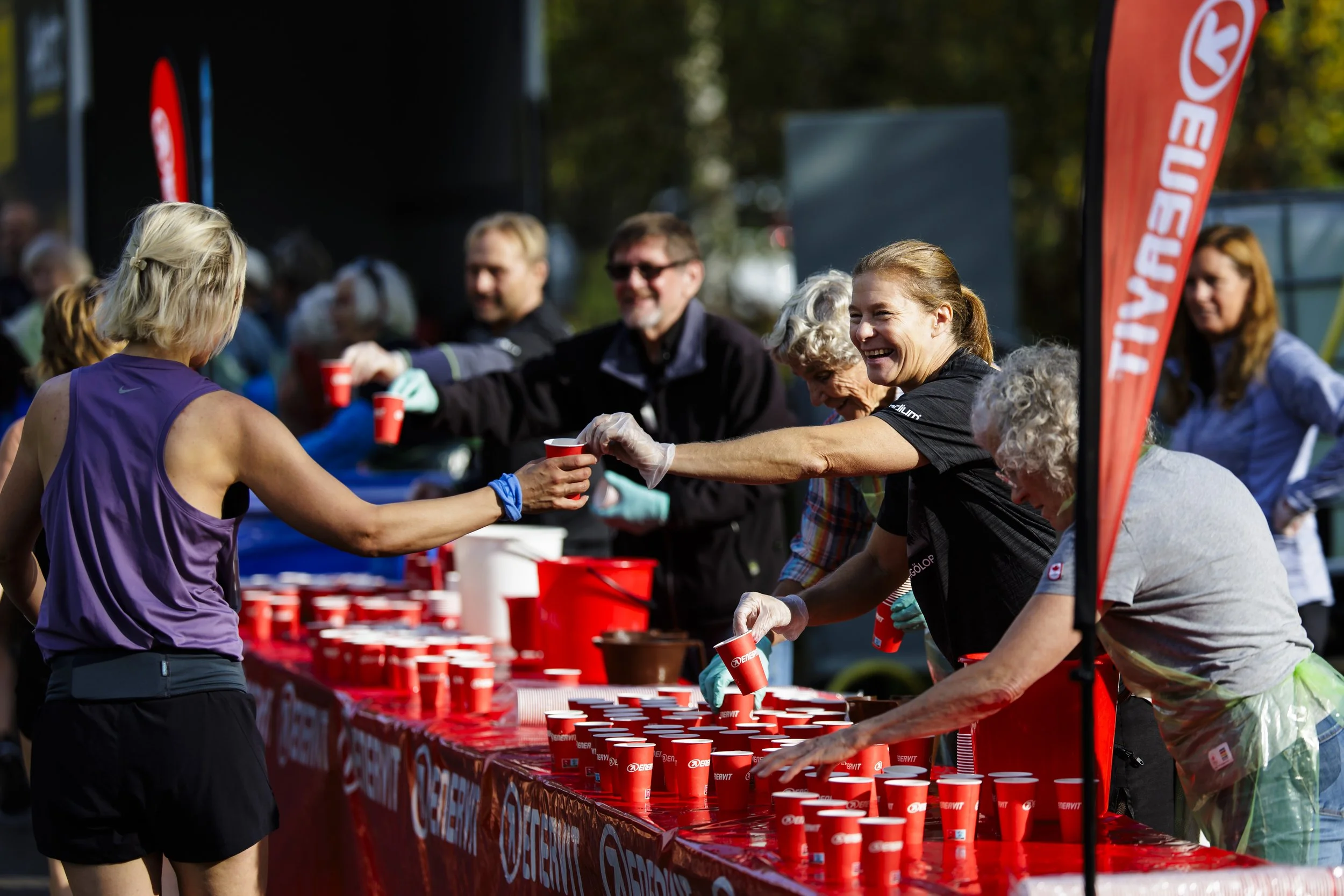
2,500 volunteers play a crucial role in the TCS Lidingöloppet
How has the event evolved over time, whether in scale, technology, participant experience, or international presence?
In 1965 TCS Lidingöloppet had 537 participants, today it’s over 30,000 runners during the weekend, with 80+ countries represented. It has evolved by holding onto its roots. Technology has of course added tools – apps, live tracking, AI training insights – which can work to improve societal health and wellbeing. But what makes Lidingöloppet matter hasn’t changed: people showing up and discovering something new about themselves.
But as we grow, so does our responsibility. A big focus today is on environmental sustainability. The past years we’ve worked closely with our title sponsor TCS to both elevate the runners experience and reduce our environmental impact. Together we strive to leave as small a footprint as possible.
This work runs through everything we do – from better logistics and waste reduction, to encouraging more eco-friendly consumption. This year we have a pilot project with reusable water cups for one of our races. Our hope is that it turns out well, and soon becomes standard, not only at TCS Lidingöloppet, but all races.
Regarding international participation, where do your participants typically come from?
Of course we have a huge Swedish and Scandinavian presence for all distances. For 2025 we expect to have around 90 countries represented, with India being one of the most signfiicant(thanks to our headline sponsor and partner TCS), as well as the UK and Germany and other European countries.
How are you promoting the race in Sweden and internationally?
We market TCS Lidingöloppet the same way the runners experience unfolds, through stories and moments that move you, and a deep connection to something real. We don’t think it’s about flashy ads or perfect finish-line photos, but more about what people feel in their legs, lungs and hearts. Our most powerful promotion is word of mouth, people going home and saying “You have to do this, you have to feel it.”
We also try to build on that emotion through strong partnerships – with TCS, Saucony, Intersport and platforms like Ahotu, who help us reach runners in Sweden and internationally.

Lidingöloppet now attracts participants from 80+ countries
What does the demographic makeup of the race look like? And have you noticed any changes in the demographic makeup of participants in recent years?
We attract a wide range of participants, historically the 40-50 age bracket has been our strongest segment, with many seasoned runners who have participated for years and built a deep connection with us. However, in recent years we've noticed exciting changes in the demographics with a significant increase in the 18-30 age range. It is a trend we see globally, a generation that values experiences over things. There are of course many factors on why we see this shift. Either way, we are very happy younger runners get to experience Sweden's most natural settings and enjoy being outdoors.
Hosting an event that is welcoming for everyone has always been a priority for us, and we hope that the race continues to inspire people of all ages and backgrounds.
Lidingö itself is a stunning location. What would you recommend participants do or see while they're visiting the area?
One of the most special post-race experiences is visiting Millesgården, the former home and sculpture park of world-renowned Carl Milles. Every runner who finishes Lidingöloppet receives a bronze medal bearing Milles artwork, and the medal serves as your ticket to this stunning museum.
Despite being a cross-country race, the event takes place just outside Stockholm, and we have a collaboration with Visit Stockholm. Our capital city boasts a wide range of cultural attractions and makes for a fantastic city break. With the race taking place in September, it is a great time to visit.
For those wanting to explore further, hop on a boat from Lidingö and head out into the Stockholm archipelago. It’s wild, and uniquely Swedish with more than 30,000 islands.
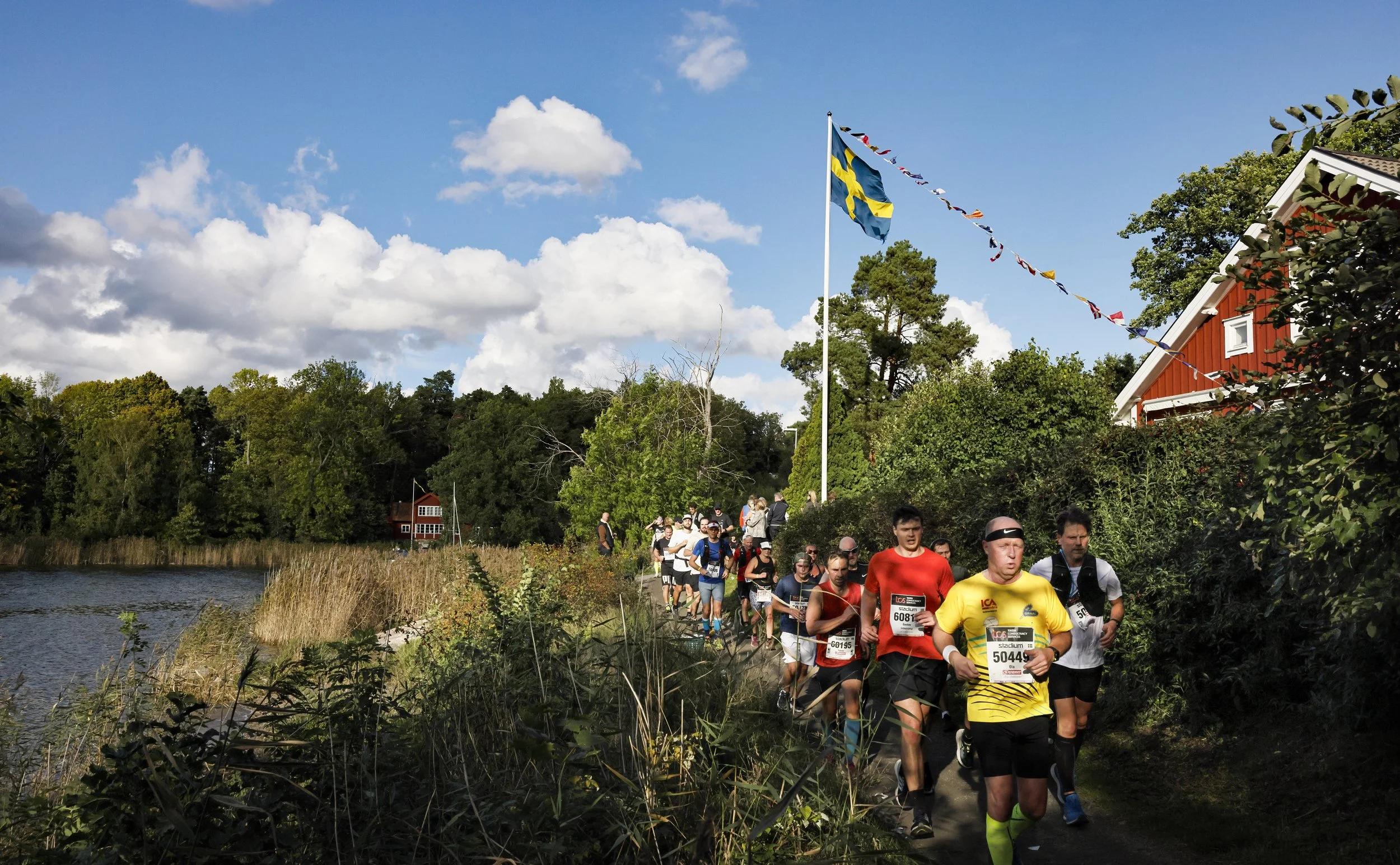
Participants experience stunning scenery close to capital city
What’s one story or memory from the event that sums up the event?
One story that really stayed with me is about a Lidingöloppet veteran named Sune, who’s run every single race since 1965. That alone is remarkable, but his pre-race ritual truly sticks with me.
Before each race, he eats herring for breakfast. No energy drinks or protein bars – herring! He says it's all about the salt. It’s so wonderfully old-school and I think it speaks to the spirit of TCS Lidingöloppet: it's not about the trends, but about tradition and doing things your own way. TCS Lidingöloppet is filled with stories like this, people sharing what it means to run this beautiful 30 km race.
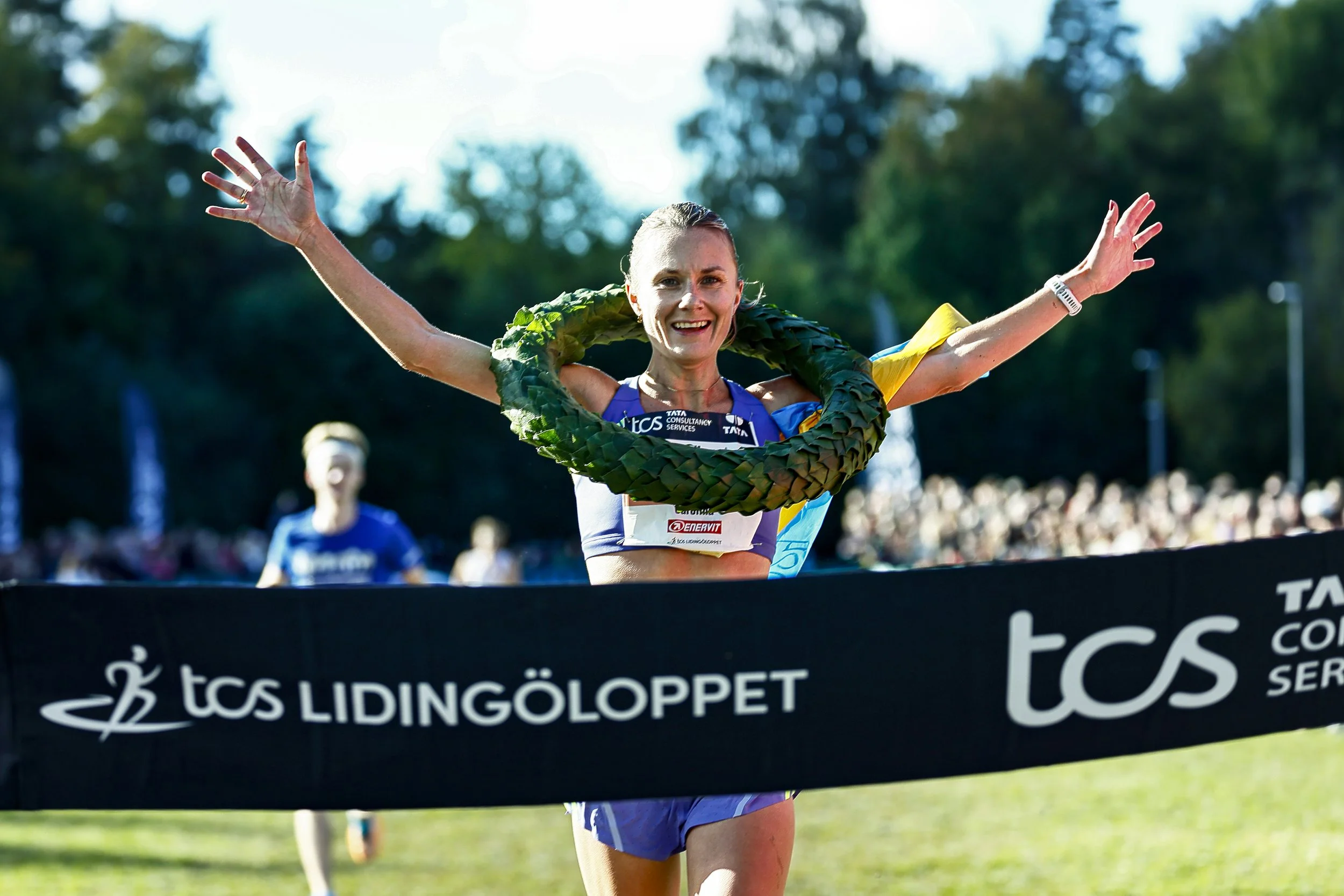
The race has a rich history, with participants returning year after year
And finally - what can we expect from TCS Lidingöloppet in the future? Are there any big plans or ambitions on the horizon?
As for TCS Lidingöloppet, the course itself is timeless and will be the same for at least 60 years more. As an organiser we are excited for new races and how to bring the spirit of Lidingöloppet to more places and more people. Last year, we launched our first mountain race in the north of Sweden, a breathtaking trail event we call Sweden’s most beautiful challenge. If you crave elevation and wilderness, this is the race.
The TCS Lidingöloppet takes place in September each year.
Interested in taking part? You can register for future editions at https://www.ahotu.com/event/tcs-lidingoloppet
To feature in our interview series you can drop us an email on content@worldssportsgroup.com
Interested in promoting your race with World’s Marathons or Ahotu? Contact us on partners@worldssportsgroup.com
