
Behind the race - An insight into the Balkaniada Skyrace with Dimitar Zhelyazkov
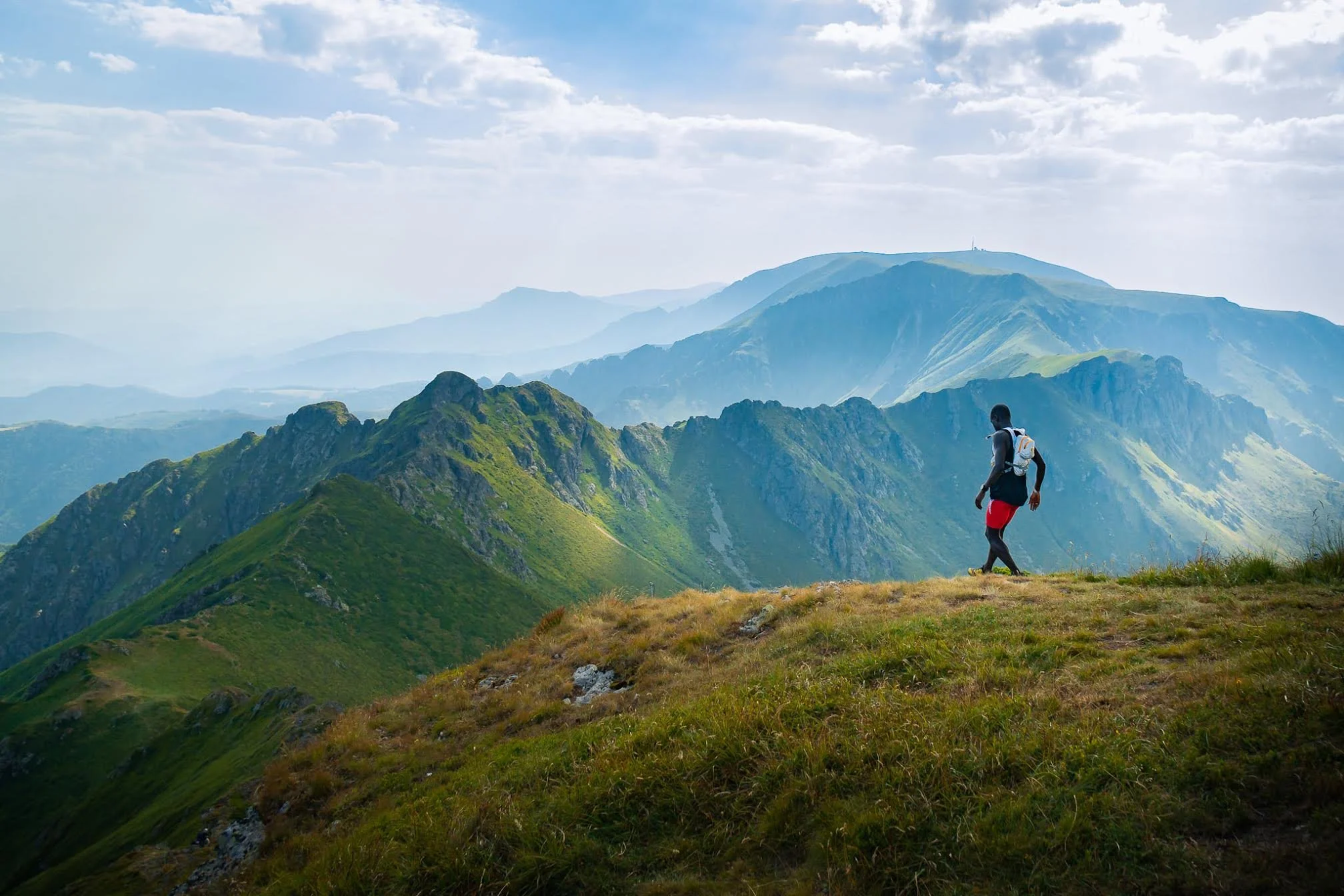
In 2025 the Balkaniada Skyrace will host the Skyrunning World Championships
In this interview series, Ahotu will be speaking with the people behind some of the most unique races across the globe. We’ll be discussing the history of the event, challenges and how to overcome them, attracting sponsors, reaching new runners and more!
Thanks for joining us Dimitar. Could you introduce yourself and the Balkaniada Sky Race to our readers? Where is it held, and what distinguishes it within the skyrunning community?
Hello! My name is Dimitar Zhelyazkov, and I’m one of the organisers of the Balkaniada Sky Race.
The event was born in 2021 when I joined forces with Kiril Nikolov – Bulgaria’s most successful orienteer and one of our top skyrunners. Our aim was to create a race that would showcase the wild beauty of the Central Balkan Mountains, a place we both consider to be among the most stunning and raw landscapes in the region.
The race is based out of Karlovo, a small town at the base of the range, with routes that stretch up to Mount Botev (2,376m), the highest peak in the Balkan Mountains. The area is part of a protected National Park, home to ancient forests, sweeping alpine ridgelines, and dramatic rock formations. Many of the trails used today were part of Kiril’s personal training routes during his competitive career, so in many ways, the foundations of the race were laid years before it officially launched.
Balkaniada is set to host the 2025 Masters Skyrunning World Championships. How did this opportunity come about, and what does it signify for the event and Bulgarian skyrunning?
Over the years, we’ve gained valuable experience through other races we’ve organised, most notably Pirin Ultra. That knowledge, paired with our ambition to grow Balkaniada, gave us the confidence to pursue an international opportunity.
Initially, we were offered the chance to host the European Championships, but the financial requirements were simply too high for an event of our size. Instead, we pivoted toward the Masters Skyrunning World Championships — a format that felt more aligned with our current scale and resources — and we were thrilled to be selected.
It’s a huge honour, but it also brings a great deal of responsibility. We’re proud to be putting Bulgaria on the map once again and eager to welcome the world to Karlovo.
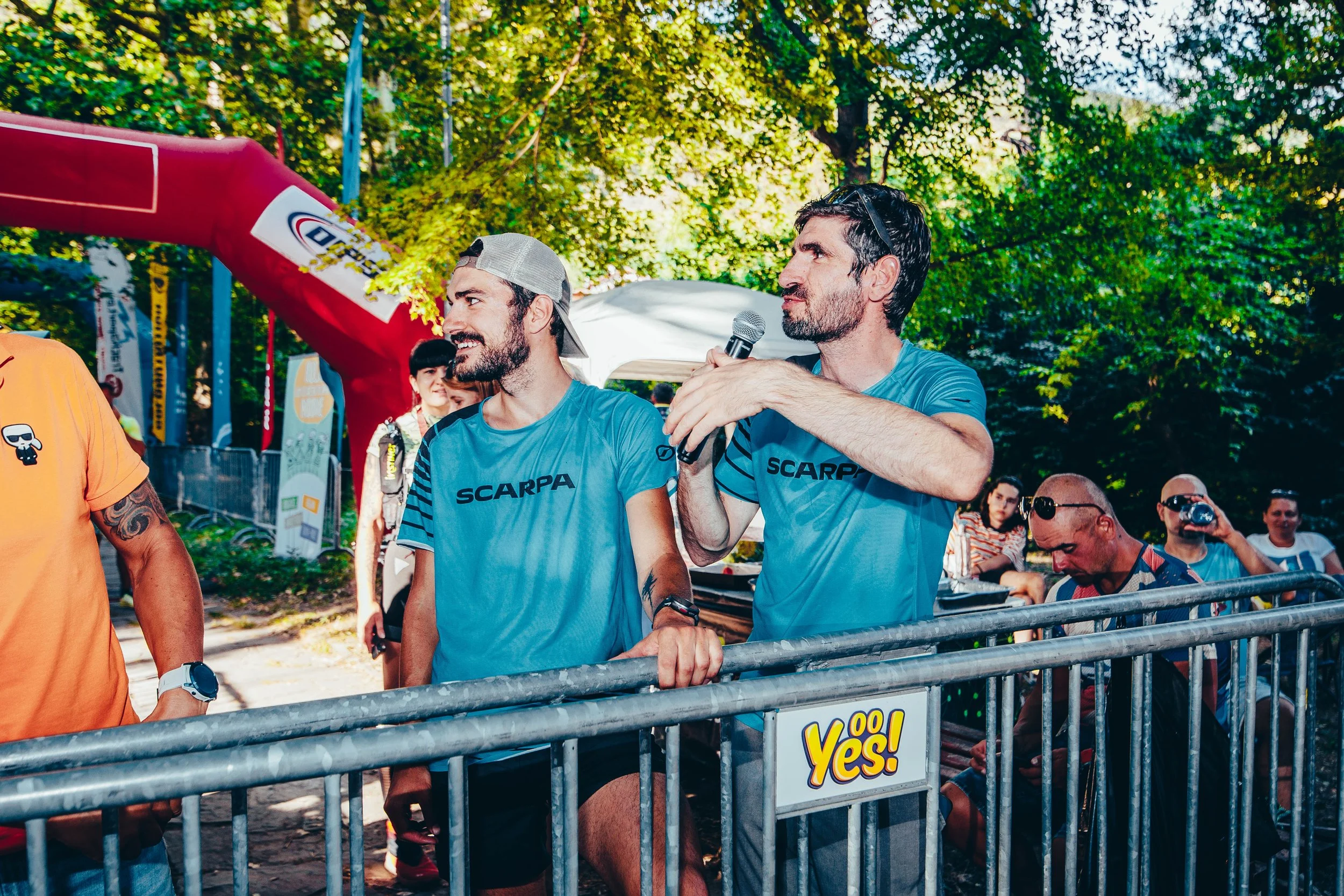
Dimitar and Kiril on MC duties during the 2024 edition of the Balkaniada Skyrace
Can you share the origins of the Balkaniada Sky Race? How has the event evolved since its inception?
The first edition was held in 2021 and drew 125 runners, including many of Bulgaria’s top mountain athletes. We offered a solid prize purse, and while some were cautious at first, others who knew the area or had seen photos immediately recognised the potential. That early word-of-mouth helped fuel interest.
In 2023, we added a third, more accessible course for beginner runners, and we’ve continued to evolve every year. One of our biggest steps forward was producing the first-ever live stream of a trail race in Bulgaria. In terms of participation, we’ve grown steadily: From 125 runners at the inaugural event, 232 runners in 2022, 362 in 2023, and 442 in 2024. For 2025 we expect around 800 participants.
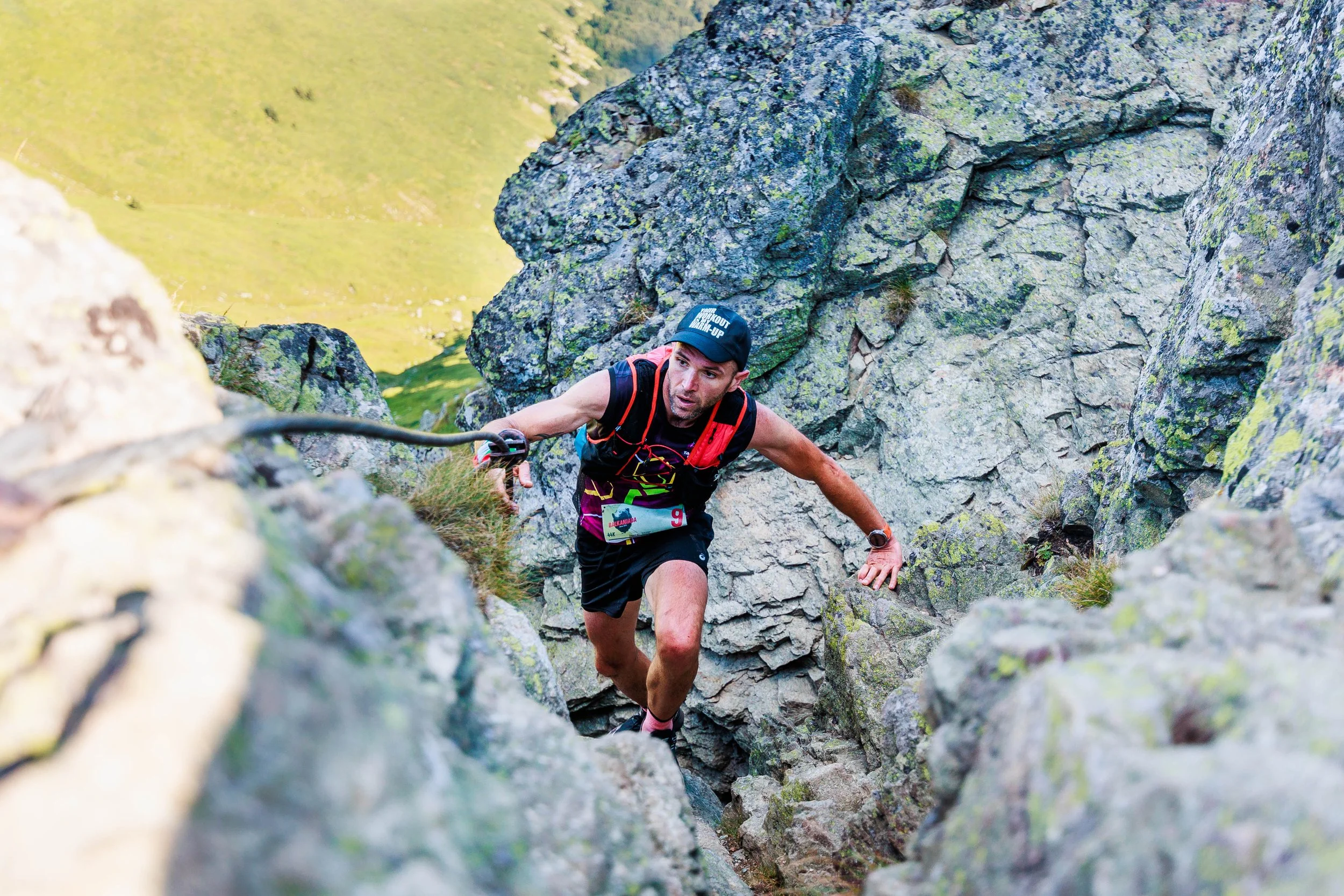
Since 2021 the race has grown consistently, attracting participants from across Europe
Organizing a multi-day event in the Stara Planina mountains must present unique challenges. What are some of the logistical complexities you face, especially with multiple race formats and international participants?
One of the biggest and most persistent challenges is the lack of vehicle access in the National Park. Much of the route is unreachable by car, so we often have to transport supplies on foot or, in some cases, by donkey. Those same donkeys are used to supply mountain huts, so we have to book them well in advance to secure their help.
Accommodation is another hurdle. Karlovo has limited capacity, and with international runners joining us for 2025, we’ll be relying on nearby spa towns and villages to help absorb the overflow. Fortunately, the wider region offers great hospitality and infrastructure - it just requires careful planning.
Safety is paramount in skyrunning. How do you ensure participant safety across the various race distances and technical terrains?
Route safety is our number one priority. We work with professionals each year to review the courses, staff key sections, and have trained medical support ready to respond. But the truth is, without helicopter support, any serious incident becomes a major challenge.
Take the ridge section, for example - it’s nearly 12km long and extremely technical, with mountain huts at either end. If someone is injured midway through, it could take five to six hours to extract them on foot. That’s the reality we prepare for, and why we emphasise experience, preparation, and a strong on-ground team.
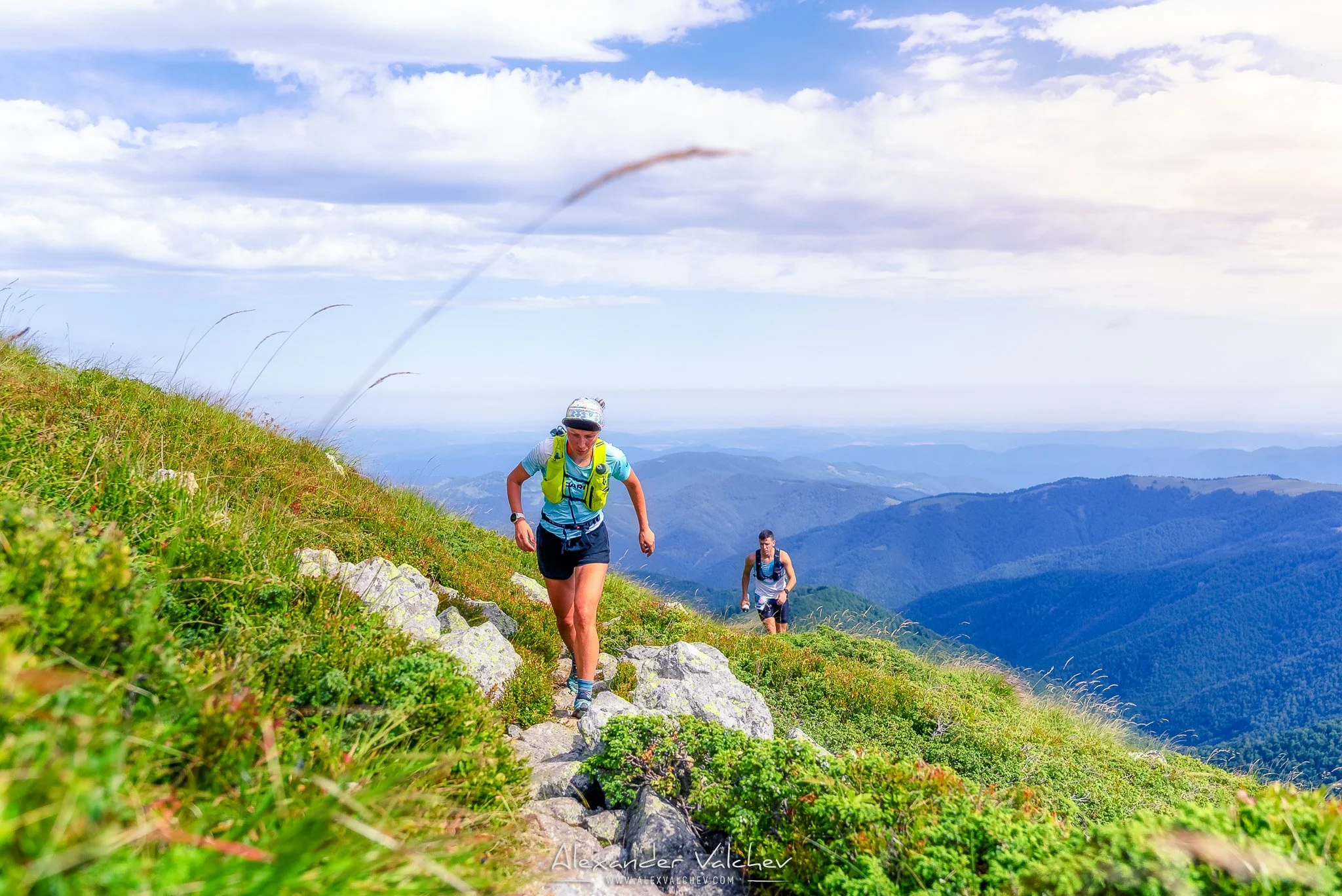
The Balkaniada Skyrace offers participants a range of distances from 5km to 59km
The 2025 edition features Vertical, Sky, and Sky Ultra disciplines. Could you provide insights into these courses and what runners can expect in terms of difficulty and scenery?
For the first time, Balkaniada will take place over three competition days, with each route being raced for the very first time.
The Vertical Kilometer is intense - 1,000m+ of elevation gain over just 5km, while the Sky and Sky Ultra take runners deep into the heart of the Central Balkans. These courses pass through what we believe is the most spectacular part of the range, offering panoramic views that stretch across both Northern and Southern Bulgaria.
We’ve also modified the Sky Ultra to include a climb to Mount Botev (2,376m) via the “Tarzan Trail”, a steep, technical route that demands strength, focus, and grit.
What are your expectations for participant turnout in the upcoming edition and have you noticed growing interest from specific countries or regions?
As soon as we announced we were hosting the World Championships for Masters, we saw an increase in international interest. Bulgaria’s veteran mountain running community has really embraced the challenge, and we’ve already had confirmation from several elite athletes in the age-group categories.
What’s even more exciting is the global reach. We’re expecting athletes from Brazil, Japan, Italy, Portugal, Spain, and many other countries. The buzz is growing fast, and we can’t wait to welcome everyone to Karlovo.
What strategies have you found effective in reaching a global audience, and how do platforms like Ahotu contribute to this effort?
Visibility is everything. Platforms like Ahotu give us access to a global community of runners actively searching for new destinations and experiences. For us, it’s more than just listing an event - it’s about storytelling, showing what makes this race and this region special, and inviting people to be part of it.
By combining strong visuals, clear information, and the right platforms, we can showcase the race (and Bulgaria) in a way that resonates with people around the world.
This year we expect to have 800 participants from 30+ countries, having a strong international field is important to us and something we are keen to grow over the coming years.
For international runners traveling to Karlovo / Bulgaria, what local attractions or experiences would you recommend they explore before or after the event?
Most international runners will arrive via Sofia, which is one of Europe’s oldest cities and has a rich mix of history, culture, and mountain access. Just outside the city is Vitosha Mountain, an ideal spot for a quick post-race hike or recovery walk.
Closer to Karlovo, you have towns like Kalofer and Sopot, which offer a more traditional and authentic experience. Karlovo itself is best known as the birthplace of Vasil Levski (a national hero) and has a strong cultural and historical identity. It’s a great base for exploring the Central Balkan region.
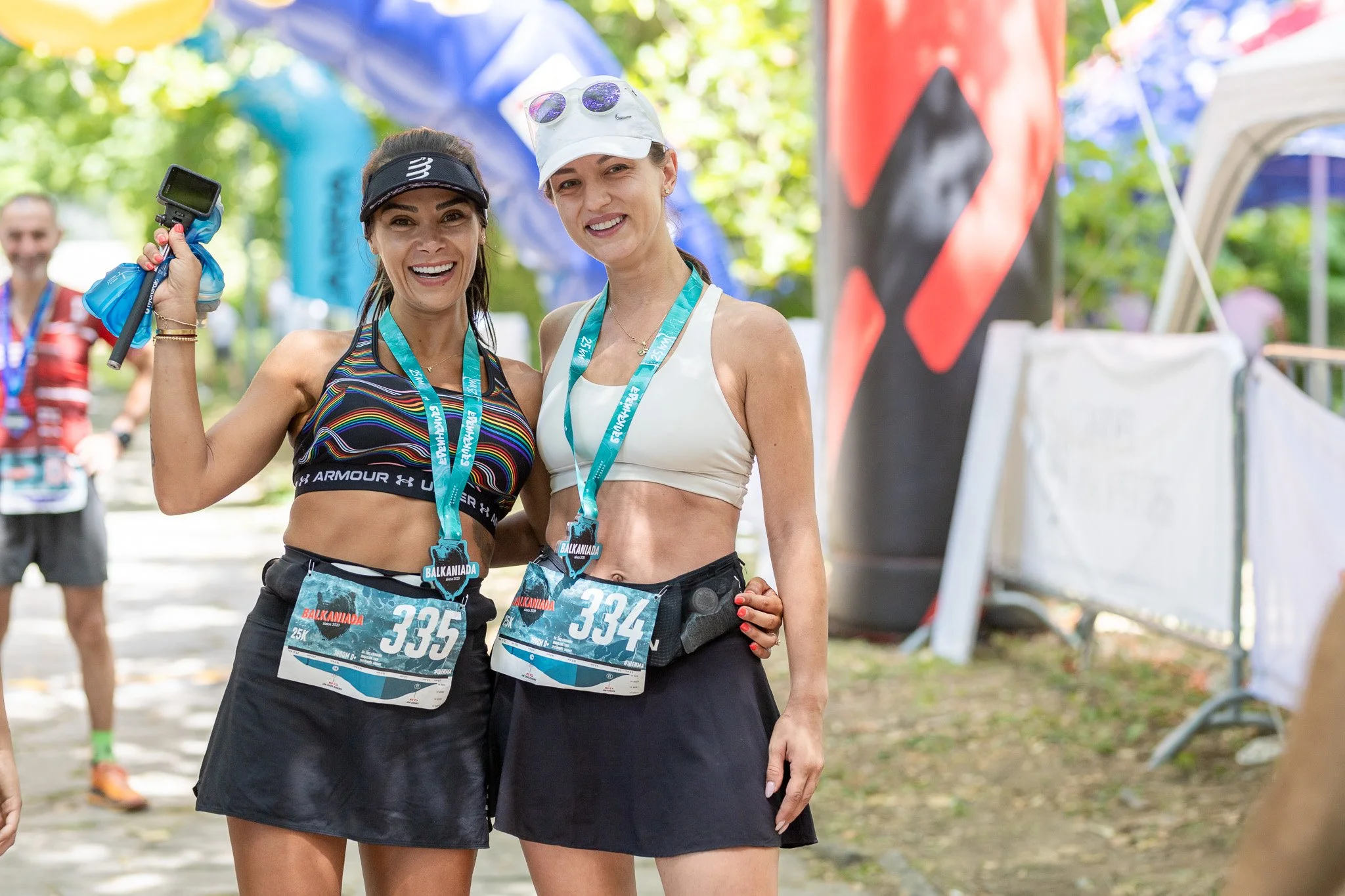
The 2025 edition is set to be the largest edition, with a strong international field
The finish line experience can be memorable for runners. What atmosphere do you aim to create post-race, and how do you celebrate the achievements of participants?
Until now, our finish line has been in the city park, which offered shade and a cooler environment during the summer months. But it was also quite small and limited what we could do with the expo and event village.
This year, we’re moving to the town square - a much larger, open space that gives us room to create a proper arena for both athletes and spectators. We’re also planning an opening ceremony in a medieval amphitheatre, alongside an outdoor film night with mountain-themed cinema.
How does the race engage with local communities and businesses in Karlovo and the surrounding regions?
The event brings direct benefits to local tourism. Hotels and guesthouses in Karlovo and surrounding villages are often fully booked during race weekend. Restaurants adapt their menus for international guests, and small businesses see a significant spike in visitors.
Beyond the immediate impact, the race helps position the region as a sustainable tourism destination - not just for runners, but for hikers, culture seekers, and adventure travellers. It’s not just a race, it’s a catalyst for long-term regional development.
Sponsors often play a crucial role in such events. How do you collaborate with partners to ensure they align with the values of the skyrunning community?
Sponsorship remains one of our biggest challenges. It’s easier now than it was 5 - 10 years ago, but it’s still tough to secure funding at the level we need. That said, we’re proud to have VARTA as our title sponsor for 2025, and we hope it marks the start of a long-term partnership.
Unfortunately, support from the local municipality in Karlovo has been limited, which is frustrating considering the tourism impact the event brings. On the national level, the Ministry of Youth and Sports has offered small-scale support in recent years, and while modest, it’s still appreciated.
Our hope is that over time, more public and private organisations will see the value of events like Balkaniada and get behind them.
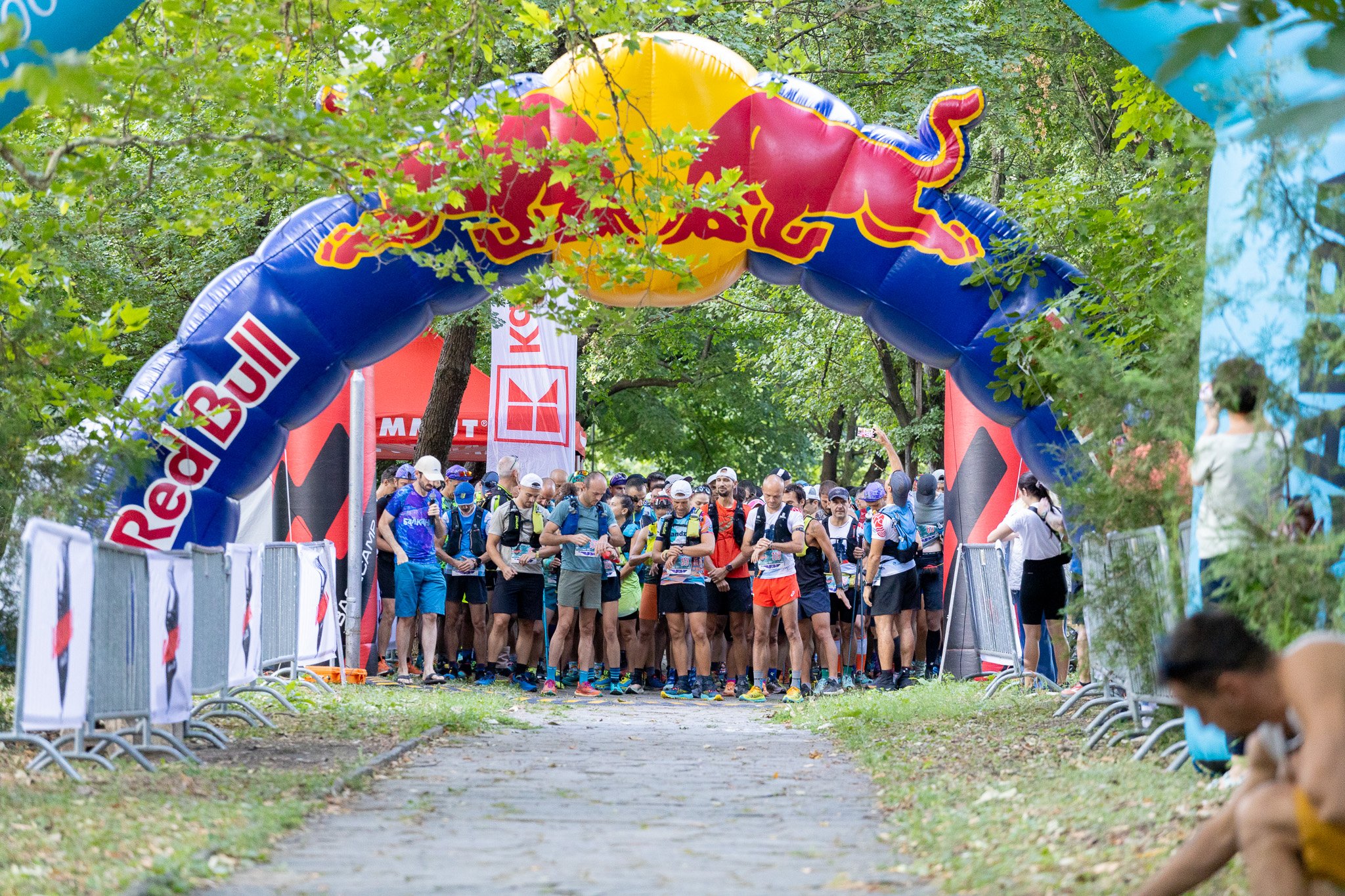
2025 will see a new start / finish area, offering more space and facilities for runners
What aspects of the Balkaniada Sky Race do you believe make it a standout event on the global skyrunning calendar?
We’ve already proven through Pirin Ultra that Bulgaria can hold its own alongside the Alps, Dolomites, and Pyrenees. Now it’s Balkaniada’s turn.
The Central Balkan range may not have the jagged marble peaks of Pirin, but it offers something equally compelling - wide open ridgelines, ancient forests, and an emotional connection to the land that’s hard to put into words. It’s a different kind of magic.
Balkaniada isn’t just a race, it’s an invitation to discover a region that deserves to be seen, explored, and remembered.
Looking ahead, what are your aspirations for the future of the Balkaniada Sky Race?
Right now, our focus is on delivering an exceptional 2025 edition - one that does justice to the mountains, the town, and everyone who joins us. Beyond that, we’d love to see Balkaniada join a series like the Golden Trail World Series.
This race is truly special, and we are convinced that one day it will take its rightful place among the best!
The Balkaniada Sky Race takes place in October each year, for more info, follow the link below;
Interested in taking part? You can register for future editions at https://www.ahotu.com/event/balkaniada-sky-race
To feature in our interview series you can drop us an email on content@worldssportsgroup.com
Interested in promoting your race with World’s Marathons or Ahotu? Contact us on partners@worldssportsgroup.com
