
Behind the race - An insight into the Dolomiti Extreme Trail with Paolo Franchi
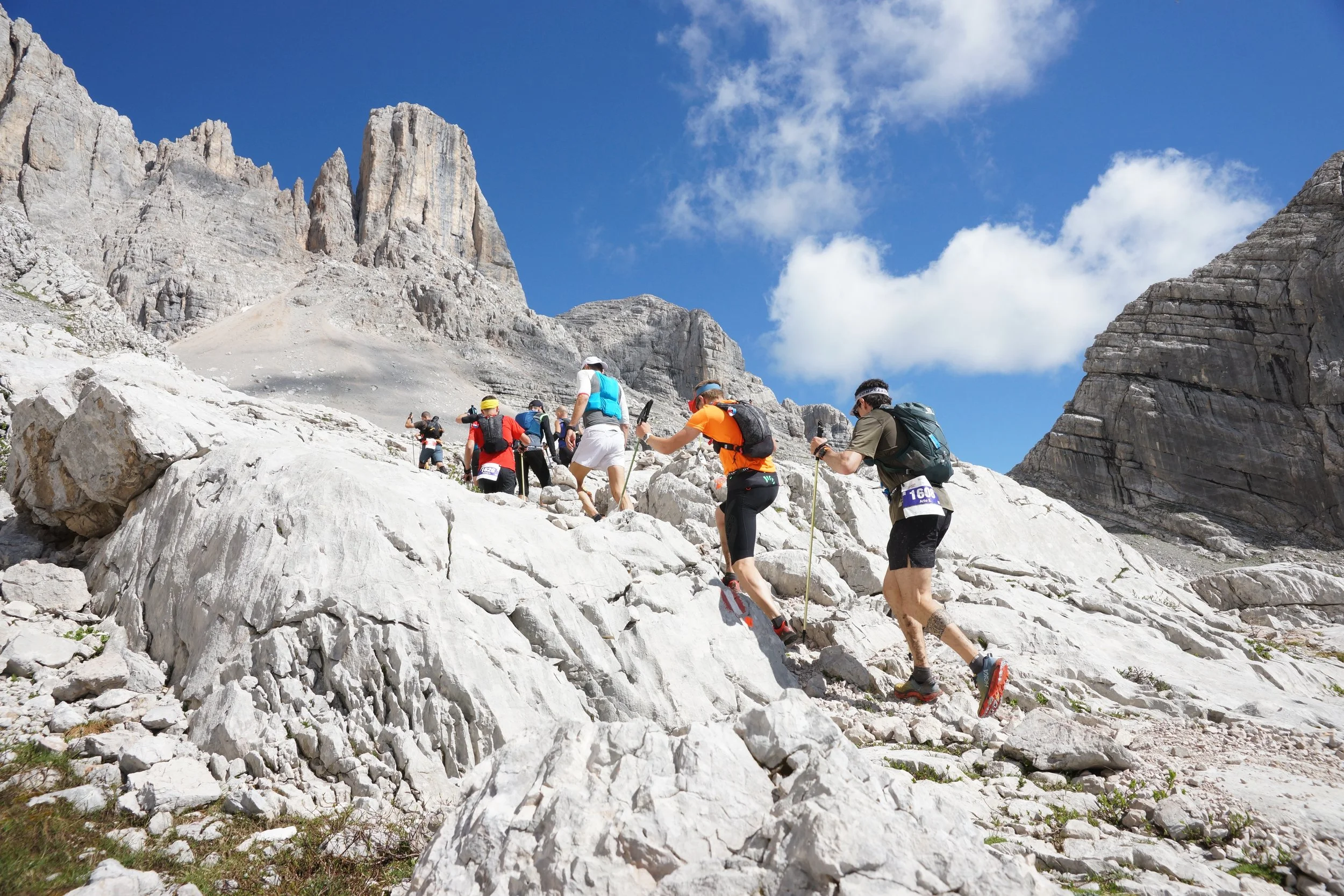
The Dolomiti Extreme trail is one of Italy’s leading trail races
In this interview series, Ahotu will be speaking with the people behind some of the most unique races across the globe. We’ll be discussing the history of the event, challenges and how to overcome them, attracting sponsors, reaching new runners and more!
Thank you for joining us Paolo. Could you introduce yourself and the Dolomiti Extreme Trail to those who might not be familiar?
I’m Paolo Franchi, race director of the Dolomiti Extreme Trail (or DXT), held in Val di Zoldo, nestled in the province of Belluno in northern Italy’s Veneto region. We first launched the race in 2013, and since then, it has become one of the most appreciated trail events in Italy - known for its stunning routes, warm hospitality, and exceptional organisation.
Today, DXT features seven distances: the signature 103k, which showcases the full range of mountains surrounding Val di Zoldo, as well as the 72k, 55k, 35k, 22k, 11k and a Mini DXT for the next generation of trail runners.
The area has largely avoided mass tourism, preserving the wild, untamed beauty of the Dolomites. Participants are immersed in forests, ridge-lines, streams, and scree fields - all while surrounded by some of the most iconic peaks of this UNESCO World Heritage Site. The race village in Forno di Zoldo creates a unique and welcoming atmosphere, with the support of over 300 volunteers from the local community.
How long has the DXT been taking place, and how has it evolved over the years?
It all started 13 years ago with a mountain run among friends. The camaraderie and experience of that day inspired us to turn the informal gathering into a full-fledged event. Year after year, the DXT has grown, not just in participant numbers but also in the range of distances offered. We've worked hard to improve every aspect of the race, driven by a shared passion for the mountains we call home.
This event, now international, retains its eco-trail spirit, a value deeply cherished by the organisation. We feel the DXT is more than a race against time, it is a journey into oneself.
Hosting a race through the protected areas of the Dolomiti Bellunesi National Park must bring unique challenges. How do you manage the logistics and ensure participant safety across such demanding terrain?
Organising a race in a landscape as dramatic as the Dolomiti Bellunesi national park requires a meticulous and respectful approach. The terrain is wild, remote, and highly variable in terms of weather, so both environmental impact and runner safety are central to our planning. Every section of trail is carefully marked, and volunteers are stationed at the most critical and technical points.
Each runner is equipped with a GPS tracker for real-time monitoring, and we also use chip timing to track progress at designated checkpoints. Our race village houses a fully operational control centre, coordinating with mountain rescue, civil protection, law enforcement, and medical staff throughout the event.
On the logistical side, we’ve developed systems that minimise disruption to the environment while maintaining a smooth experience for runners. That includes managed parking and a shuttle service that connects athletes to local accommodations and the race village. This is made possible by the invaluable contribution of our local volunteers, whose knowledge of the terrain and dedication to the event make DXT what it is.
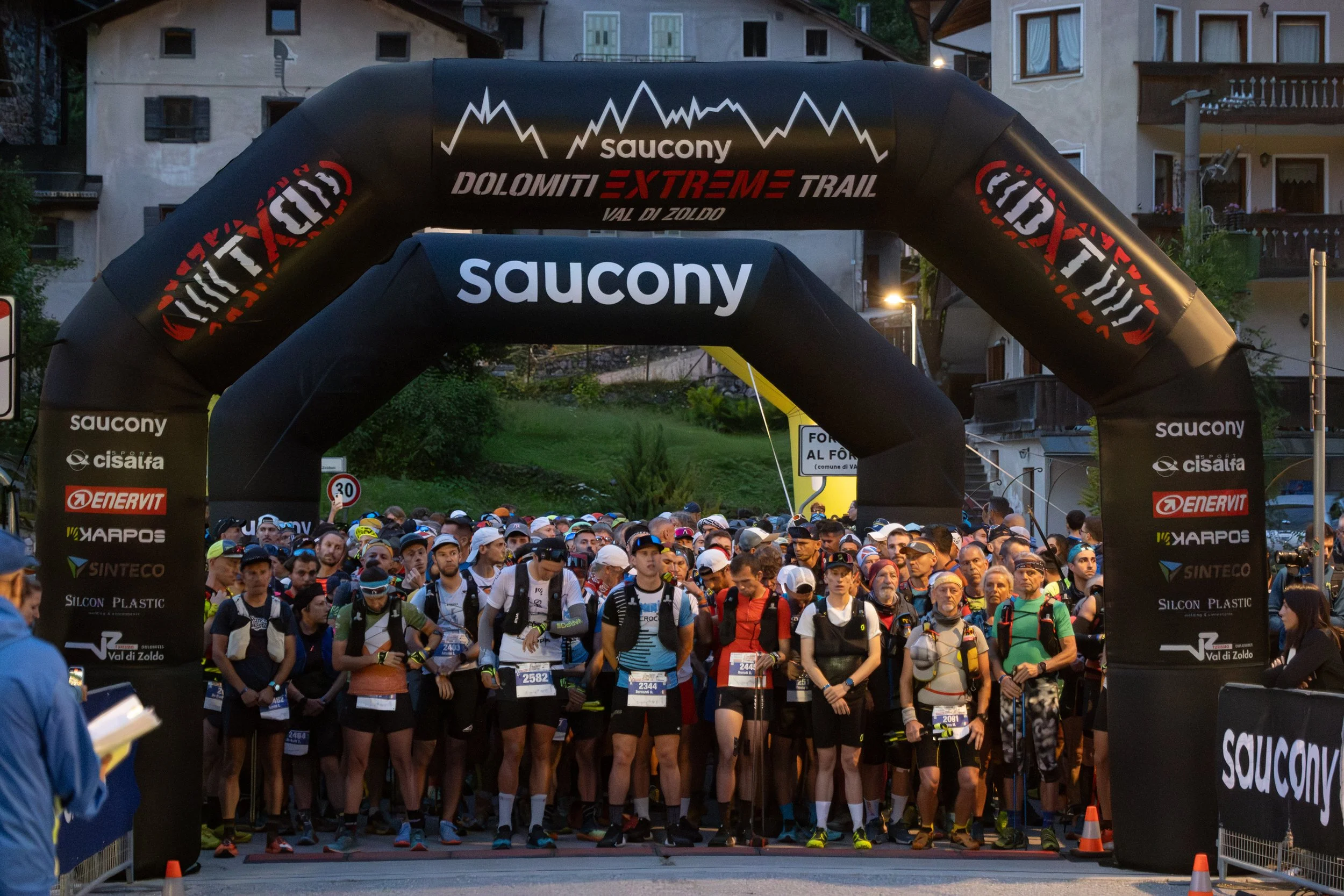
The DXT has grown significantly over 13 years and now offers 7 distances up to 103km
How would you describe the atmosphere around the finish line and the race village? What can runners and visitors expect during race week?
The energy in Forno di Zoldo, where the race starts and finishes, is something special. We want every runner to feel welcomed and celebrated - whether they’re finishing the 103km or the 11km. There’s music, great food on offer, fantastic support, and ultimately a strong sense of community. Every finisher receives a medal and a special gift from our main sponsor.
Beyond the race itself, the village hosts concerts, cultural activities, and local meet-ups throughout race week. Our multilingual volunteers are on hand to help with information and local recommendations. It’s not just a race - it’s an immersive experience in Zoldano culture and the spirit of the mountains.
What are some must-see places or activities in Val di Zoldo for participants and any supporters visiting the region?
Val di Zoldo is rich in natural and cultural attractions. Before or after the race, we encourage participants to explore the valley’s network of hiking trails, alpine huts, and scenic passes. The surrounding peaks; Monte Civetta, Monte Pelmo, and the Bosconero group offer unforgettable views and quiet solitude.
In the village, you’ll find traditional cuisine, artisanal gelato (Zoldo is famous for it) and a warm welcome from locals. We promote these experiences online and in the race village, and our volunteers are always ready to share suggestions to help athletes make the most of their time here.
Where do your participants typically come from, and what strategies have helped you build such strong international visibility?
Today, around half of our participants come from outside Italy. For the 2025 edition, we are excited to welcome runners from 69 different countries - an international presence that reflects years of dedicated outreach and brand building.
This reach hasn’t happened by accident. We’ve developed a year-round marketing strategy focused primarily on digital channels, tailored especially for the global trail-running community. Social media, influencer partnerships, and collaborations with elite runners and bloggers have been central to this approach, helping us spread the DXT story through authentic voices. Being present at major trail events around the world with our own stand has further expanded awareness and credibility.
We also work with international tour operators and race platforms like Ahotu to ensure DXT is discoverable to runners across borders. Importantly, we promote Val di Zoldo not just as a race destination but as a travel experience - integrating tourism and sport in a way that benefits both runners and the local community. This combination of online and offline visibility, combined with a strong local identity, has allowed us to grow our global audience in a meaningful and sustainable way.
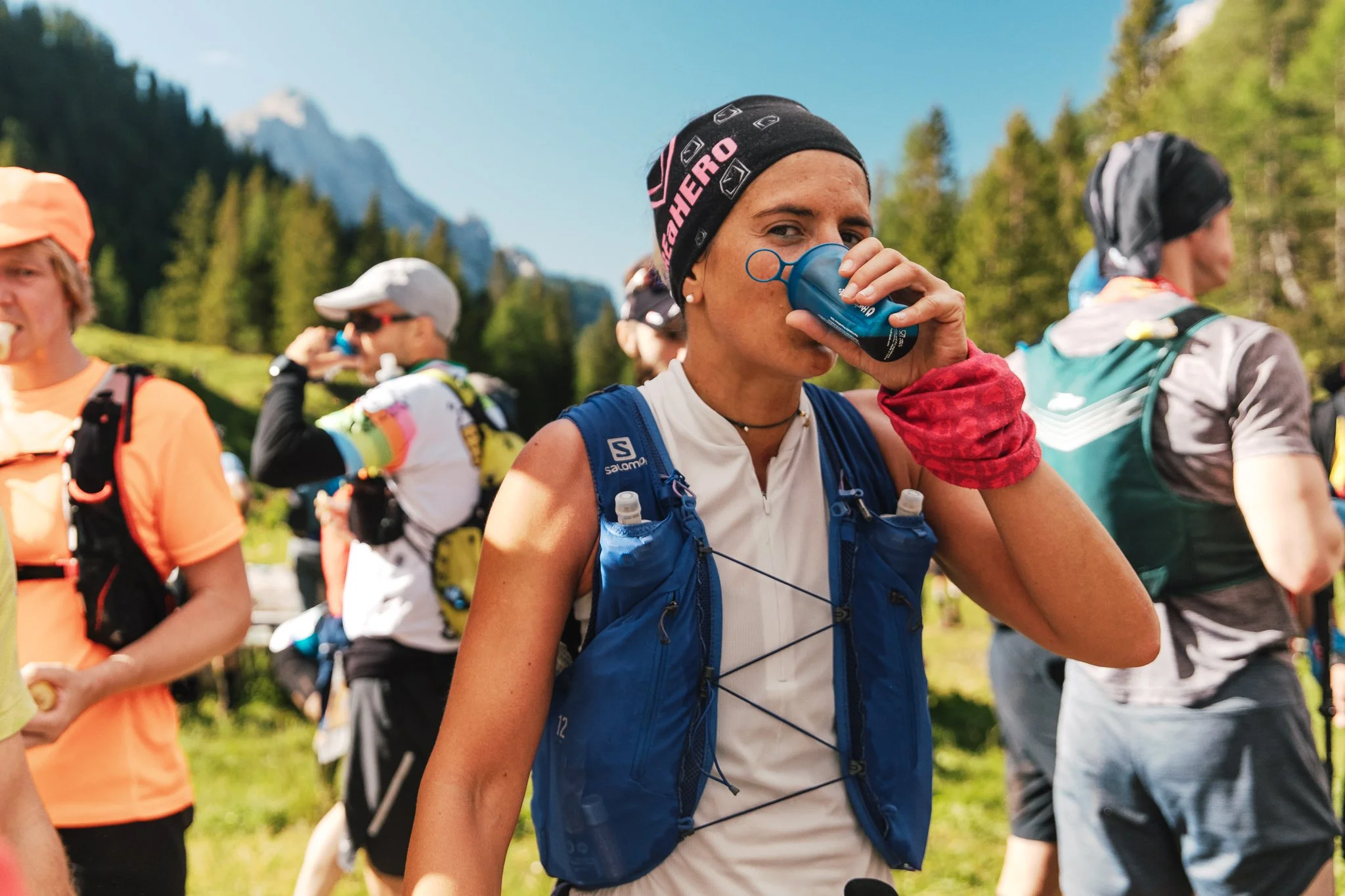
Around half of DXT participants are from outside Italy, with 69 countries represented in 2025
What kind of feedback do you receive from participants, and how does it shape future editions of the event?
We actively gather and analyze feedback after every edition, both from participants and volunteers. That feedback goes directly into our planning for the next year. Whether its suggestions on course markings, aid station setup, or shuttle service improvements, we treat it all as essential input.
It’s this iterative process that allows us to grow while maintaining quality. Our runners are passionate, experienced, and vocal, so we take their perspectives seriously. We’re always learning and refining, aiming to make every edition better than the last.
What technology do you use to enhance the race experience - for both runners and organizers?
Over the years, we’ve adopted a range of new systems to improve both safety and experience. Timing chips on the bibs allow for precise time tracking, while the GPS devices ensure real-time positioning - important not just for safety but also for fans and family members following the race online.
From a logistical standpoint, we've streamlined online registration and runner management, and we also use digital tools to coordinate volunteers and race staff more effectively across the various locations in the valley.
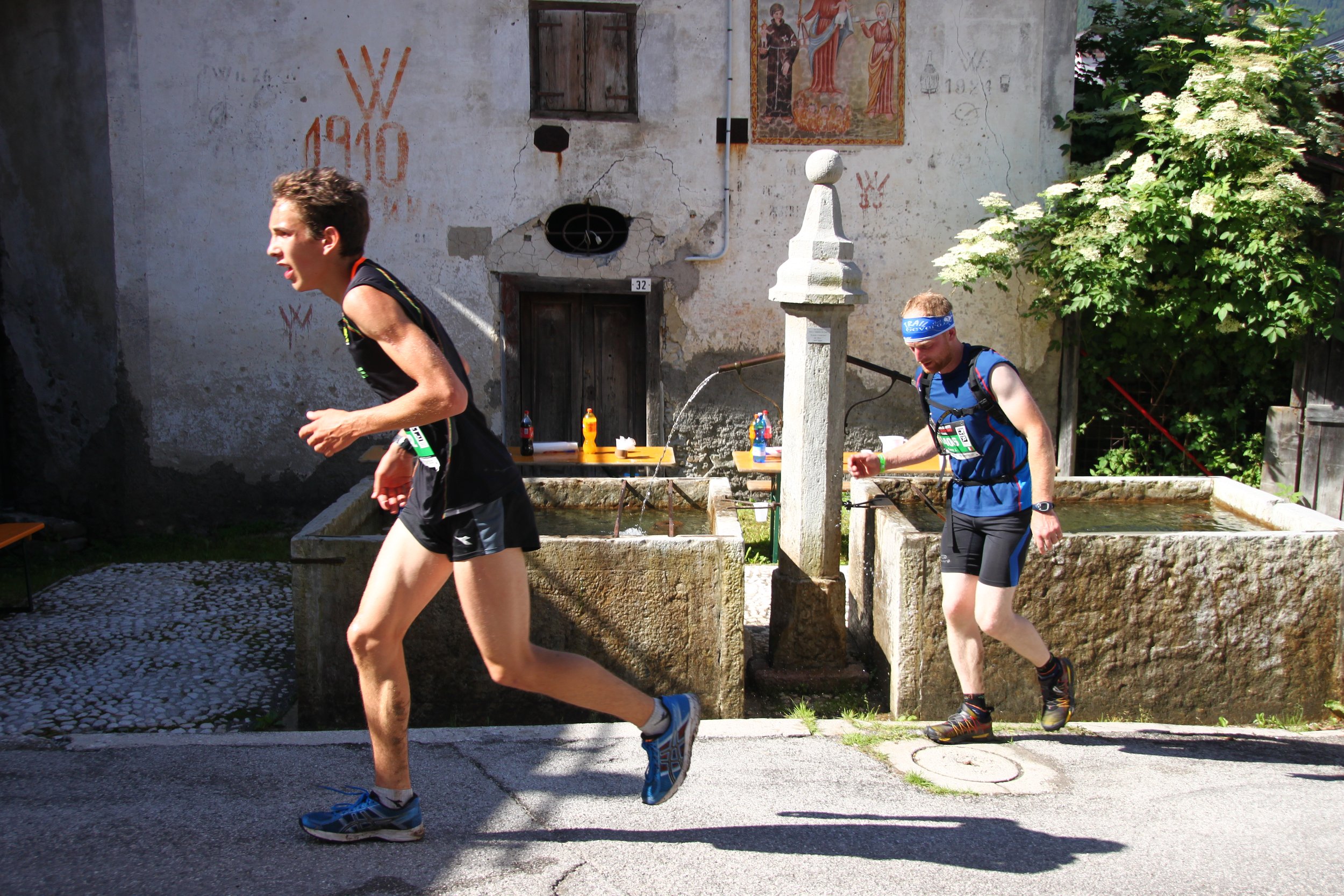
Runners hydrating during the challenging 103km Dolomiti Extreme trail
Do you plan to grow the event further, or is there a limit to how big DXT can become?
For us, quality comes before quantity. We plan to cap participation at around 3,000 runners to ensure we can deliver the best possible experience without putting pressure on our infrastructure or the environment.
The Dolomites are beautiful but fragile, and we have a responsibility to protect them. That’s why we promote responsible practices, like encouraging runners to carry their own cups and avoid littering and why we focus on refining the event, not just expanding it.
What’s next for the Dolomiti Extreme Trail? Are there any new features, innovations, or partnerships on the horizon?
We want to keep improving, both in terms of race organisation and the overall experience. That means introducing smart innovations where they add real value, strengthening our international partnerships, and continuing to showcase the Dolomites and Val di Zoldo to the world.
We’re also looking at ways to make the event more sustainable and inclusive, while preserving the spirit that made the first DXT so special. Ultimately, our goal is to share our mountains with people who love them, and to do it in a way that brings lasting benefit to our community and environment.
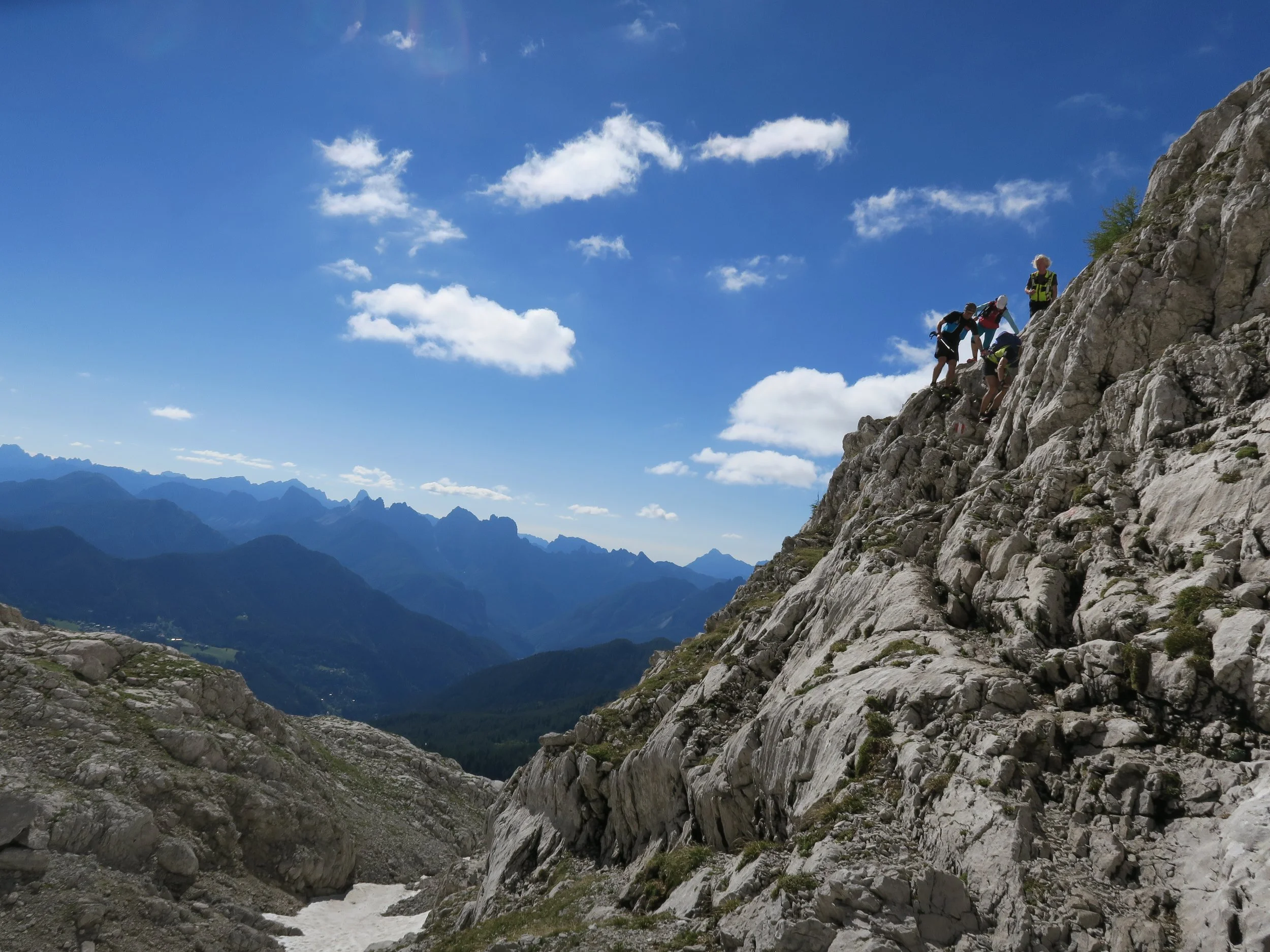
The DXT offers participants the opportunity to experience the inspiring mountains of the Dolomites
The Dolomiti Extreme trail takes place in early June each year.
Interested in taking part? You can register for future editions at https://www.ahotu.com/event/dolomiti-extreme-trail
To feature in our interview series you can drop us an email on content@worldssportsgroup.com
Interested in promoting your race with World’s Marathons or Ahotu? Contact us on partners@worldssportsgroup.com
